


California Blackjack Battle Explodes Into Major Political and Financial War Between Tribes, Card Clubs, and Sacramento

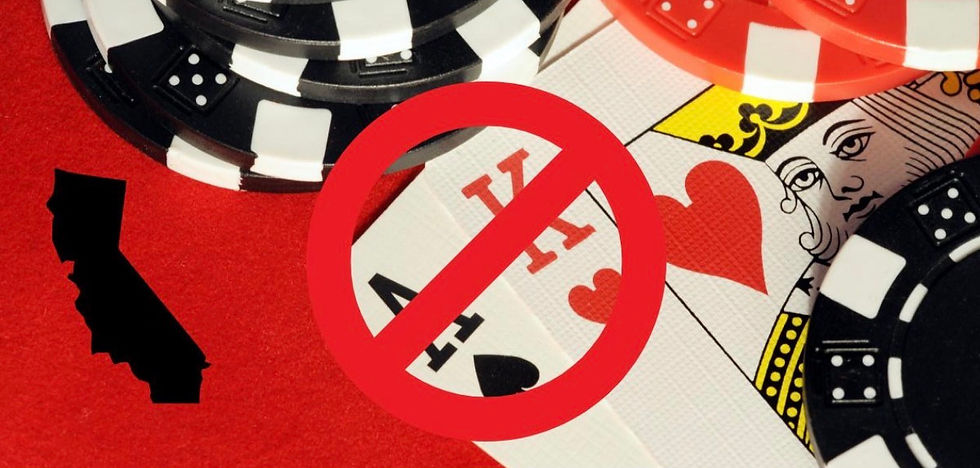
At the center of the fight is blackjack-style gaming and whether California cardrooms have been illegally operating “banked” casino games reserved exclusively for tribal casinos under California law.
How the Dispute Started

The conflict dates back to March 2000, when California voters approved Proposition 1A, authorizing federally recognized tribal casinos to operate slot machines and certain house-banked casino games under tribal-state compacts.
For more than two decades afterward, California card clubs continued operating blackjack-style games using rotating player-dealer systems and third-party proposition player services (TPPPs), which acted as outside banking entities at gaming tables.
Those games operated publicly for years under multiple California Attorneys General, including administrations led by former Attorneys General Kamala Harris and Jerry Brown.
Tribal gaming interests, however, long argued the system violated tribal exclusivity protections granted under Proposition 1A.
Pressure Builds in 2024 and 2025

The dispute intensified throughout 2024 and 2025 as tribal casino operators increased pressure on Sacramento to crack down on cardrooms statewide.
Tribal representatives argued:
Cardrooms were effectively operating illegal blackjack and baccarat-style games.
TPPP companies were being used as legal loopholes to evade state law.
California regulators had failed to enforce gambling restrictions for years.
Meanwhile, cardrooms and local governments argued the games had operated legally under long-standing regulatory frameworks and had become critical revenue sources for municipalities throughout California.
February and March 2026: State Crackdown
In February 2026, California cardrooms publicly warned proposed gambling regulations could devastate local governments and threaten thousands of jobs statewide.
Then, in March 2026, Attorney General Rob Bonta’s Department of Justice approved sweeping new regulations targeting blackjack-style games and TPPP operations across California card clubs.
The regulations significantly restricted blackjack and baccarat-style gaming at cardrooms statewide.
Within days, lawsuits were filed against the state challenging the legality of the new rules.
Cities Warn of Severe Budget Impacts
The controversy quickly expanded beyond gambling into a major municipal finance issue.
Several California cities warned the regulations could create severe budget shortfalls:
Hawaiian Gardens reportedly receives roughly 70% of city revenue tied to casino operations.
Commerce officials have stated casino-related taxes represent a substantial portion of the city’s general fund revenue.
San Jose officials warned the city’s card clubs contribute approximately $32 million annually supporting municipal services.
Bell Gardens, Gardena, and other cities also warned of potential impacts on police, fire, and city operations.
Industry representatives estimate California cardrooms:
generate roughly $500 million annually in local tax revenue,
support approximately 20,000 jobs statewide,
and derive nearly 70% of gaming revenue from blackjack-style table games now under dispute.
Newsom Administration Drawn Into Political Firestorm
Cardroom advocates and several local officials argue the Newsom administration has aligned itself with tribal gaming interests, one of the most powerful lobbying forces in Sacramento.
Tribal casinos strongly support the crackdown, arguing California law grants tribes exclusive rights to house-banked casino gaming.
Cardrooms counter that the state abruptly reversed decades of accepted gaming practices under political pressure from tribal interests.
At this stage, no court has found wrongdoing or corruption involving either Newsom or Bonta.
What Comes Next
Multiple lawsuits challenging the regulations are now moving through California courts.
The battle could eventually expand into:
a California Supreme Court case,
additional legislative fights in Sacramento,
future regulatory action,
or even a statewide ballot measure battle.
For cities heavily dependent on gambling revenue, the outcome could directly affect:
police and fire funding,
municipal budgets,
local jobs,
and broader regional economic development.
What began as a gambling regulatory dispute has now evolved into a statewide political and financial war over tribal sovereignty, local government funding, and the future of casino gaming in California.
Sources
California Department of Justice gaming regulations and Bureau of Gambling Control notices
Proposition 1A (2000) California tribal gaming framework
Public statements from California Nations Indian Gaming Association (CNIGA)
Public filings and statements from California cardroom operators
Reporting from Capitol Weekly, GV Wire, CalMatters, SBC Americas, and New York Post regarding the 2026 gambling regulation dispute and municipal revenue impacts


Comments